



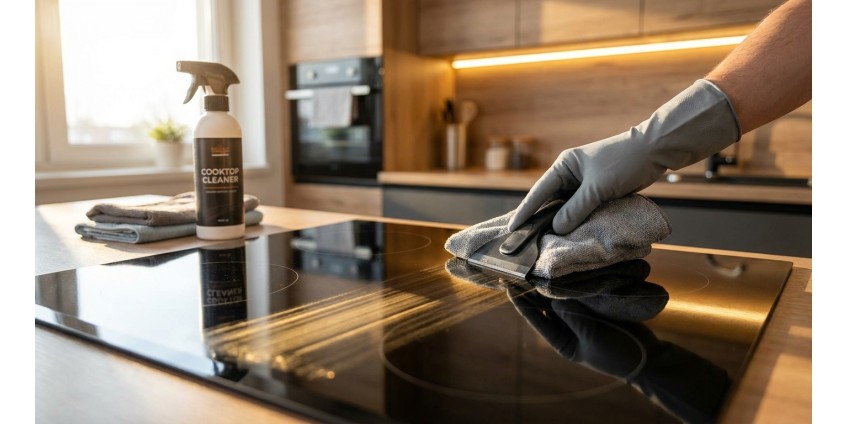
How to Properly Clean Cooktops and Glass Ceramic Surfaces in 2026: Tools, Products, and Scratch-Free Hacks
Glass ceramic cooktops have long become a standard in modern kitchens thanks to their elegant appearance and ease of use. However, their beauty requires regular and proper care. Even minor cleaning mistakes can lead to scratches, stains, and loss of shine. In this article, we'll explain in detail how to properly care for glass ceramic surfaces, which tools and products to use, and share proven hacks for impeccable cleanliness.
Why Glass Ceramic Surfaces Require Special Care
Glass ceramic surfaces are made from a special heat-resistant material that withstands high temperatures but remains sensitive to abrasive substances and mechanical damage. Regular sponges with harsh abrasives or incorrectly chosen products can leave micro-scratches, which later trap dirt, making the surface dull and untidy.
Main problems faced by glass ceramic cooktop owners:
- Burnt-on food and grease residue
- White spots from hard water
- Streaks after cleaning
- Scratches from improper tools
- Loss of original shine
Essential Tools for Cleaning Glass Ceramic Surfaces
Choosing the right tools is half the battle in caring for your cooktop. Let's look at what should definitely be in your arsenal.
Specialized Glass Ceramic Scraper
The most important tool for removing burnt-on residue is a special scraper with sharp blades. The Glass Ceramic Scraper for Cleaning Cooktops, Stovetops and Windows + 5 Blades is ideal for this purpose. It's made of stainless steel, has an ergonomic design, and comes with five replacement blades, making it an extremely practical and economical solution.
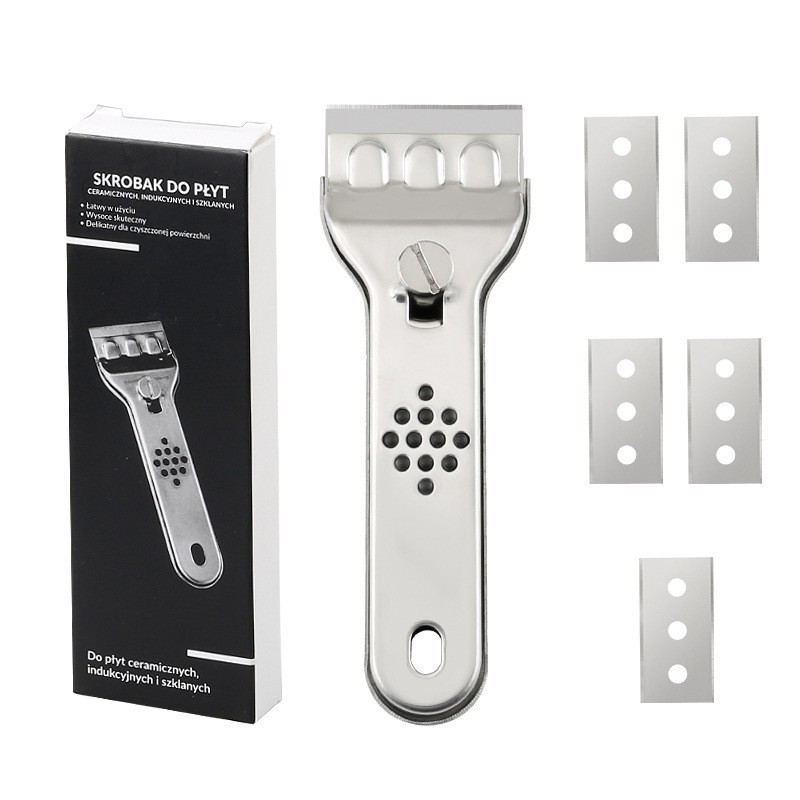
Advantages of using a scraper:
- Effectively removes even the most stubborn dirt
- Leaves no scratches when used correctly
- Works at a 45-degree angle for optimal results
- Replacement blades ensure long service life
- Compact size (13.5 cm) convenient for storage
Soft Cloths and Fabrics
For daily care and final polishing of the surface, you need soft cloths that don't leave lint. While SunnyOct Cleaning and Stain Removal Wipes for Outerwear and Down Jackets are designed for clothing, they demonstrate how important quality wipes are for delicate surfaces. For glass ceramic, it's better to use special microfiber cloths or soft cotton fabrics.
Step-by-Step Guide to Cleaning Your Cooktop
Step 1: Surface Preparation
Before starting to clean, make sure the cooktop has completely cooled down. Cleaning a hot stovetop is not only dangerous but also ineffective—products can dry quickly, leaving streaks. Remove all removable elements from the surface, if any.
Step 2: Removing Dry Dirt
First, remove dry crumbs and food residue with a soft dry cloth or fabric. This will help avoid smearing dirt in the following cleaning stages.
Step 3: Working with the Scraper
If there are burnt-on residues on the surface, it's time to use the scraper. Hold it at an angle of approximately 30-45 degrees to the surface and carefully scrape off the dirt with movements away from you. Don't press too hard—the sharp blade will do the work itself. After using the scraper, collect the removed dirt with a cloth.
Step 4: Wet Cleaning
Apply a special glass ceramic cleaner to the surface or to a soft cloth. If using homemade solutions (more on this below), let them work for 5-10 minutes. Wipe the surface with circular motions, paying special attention to soiled areas.
Step 5: Polishing
After removing all dirt, rinse off product residue with a clean damp cloth, then polish the surface dry with a soft fabric until it shines. This step ensures a flawless appearance without streaks.
Effective Products for Cleaning Glass Ceramic Surfaces
Specialized Products
The market offers a wide range of products developed specifically for glass ceramic surfaces. They have an optimal pH balance, contain no abrasive particles, and effectively dissolve grease. Among popular brands, you can find creams, sprays, and gels. More kitchen care products can be found in the Cooktop Accessories section.
Homemade Solutions
If you don't have a specialized product on hand, you can use proven homemade alternatives:
- Baking soda and water: Mix baking soda with a small amount of water to a paste-like consistency. Apply to the dirt, leave for 15 minutes, then carefully remove with a soft cloth.
- Vinegar: 9% table vinegar works great on grease stains and limescale deposits. Spray on the surface, wipe, and polish.
- Lemon juice: The natural acid in lemon dissolves grease and adds shine. Mix juice with water 1:1.
- Soap solution: Regular liquid dish soap diluted in warm water is suitable for daily care.
Hacks for Impeccable Cleanliness
Hack 1: Prevention is Better Than Cure
The easiest way to maintain cleanliness is to wipe the surface after each cooking session while it's still warm (but not hot). Fresh dirt is much easier to remove than old stains.
Hack 2: Newspaper for Shine
After the main cleaning, polish the surface with crumpled newspaper. This is an old but effective method that leaves no lint and provides perfect shine.
Hack 3: Oil for Protection
After cleaning, apply a few drops of mineral or baby oil to a cloth and lightly wipe the surface. This will create a thin protective layer that repels dirt and makes the next cleaning easier.
Hack 4: Toothpaste for Spot Cleaning
White toothpaste (not gel) works great on localized dirt. Apply a small amount to the stain, gently rub with a soft brush, and rinse.
Hack 5: Steam Treatment
For difficult stains, place a damp hot cloth on the spot for 10-15 minutes. The steam will soften the dirt, making it easier to remove.
What You Absolutely Must Not Do
To avoid damaging your expensive glass ceramic surface, remember these prohibitions:
- Don't use abrasive sponges—metal scrubbers and harsh brushes will leave scratches
- Don't apply aggressive chemicals—chlorine-containing products and oven cleaners can damage the coating
- Don't clean a hot surface—it's dangerous and ineffective
- Don't use knives—only special scrapers with the correct angle
- Don't leave sugar and sweet liquids—when heated, they can melt into the surface
- Don't let dirt dry—remove it as quickly as possible
Caring for Different Types of Stains
Grease Stains
Grease is the most common type of kitchen dirt. To remove it, use products with grease solvents or vinegar. Apply the product, let it work for 5-10 minutes, then wipe and polish.
Burnt-on Food Residue
This is where the scraper becomes indispensable. After removing the main part of the dirt, treat the area with baking soda or a special product to remove residue and restore shine.
Limescale Deposits
White spots from hard water are removed with acidic products—vinegar or lemon juice. Apply, leave for 10 minutes, then rinse and polish.
Colored Stains
Stains from vegetables, fruits, or spices can leave colored marks. Use baking soda or a special glass ceramic cream, gently rub, and rinse.
Regular Care—The Key to Longevity
Create a simple care system for your cooktop:
- Daily: Wipe the surface after each use with a damp cloth
- Weekly: Perform a full cleaning using special products
- Monthly: Do a deep cleaning using a scraper and polishing
To maintain cleanliness throughout the kitchen, it's also useful to have quality cleaning wipes and other appliance care products.
Conclusion
Proper care of a glass ceramic cooktop doesn't require much effort if done regularly and with the right tools. A specialized scraper with sharp blades is a must-have for every kitchen with glass ceramic surfaces, as it allows you to quickly and safely remove even the most difficult dirt without the risk of scratches. Complement it with soft cloths and properly selected products—and your cooktop will always look like new.
Remember: prevention and timely removal of dirt are much more effective than fighting old stains. Wipe the surface after each use, don't use abrasive materials, and your glass ceramic surface will serve for many years, maintaining its impeccable appearance and functionality.
Products related to this post

₴198 грн. ₴245 грн.
Add to Cart
₴69 грн. ₴109 грн.
Add to Cart
₴549 грн. ₴699 грн.
Add to Cart

₴76,230 грн. ₴101,768 грн.
Add to Cart